
Photography Guides
Concert Photography Guide: Camera Settings, Timing & Low Light Tips
Daydream Editorial
· 12 min read
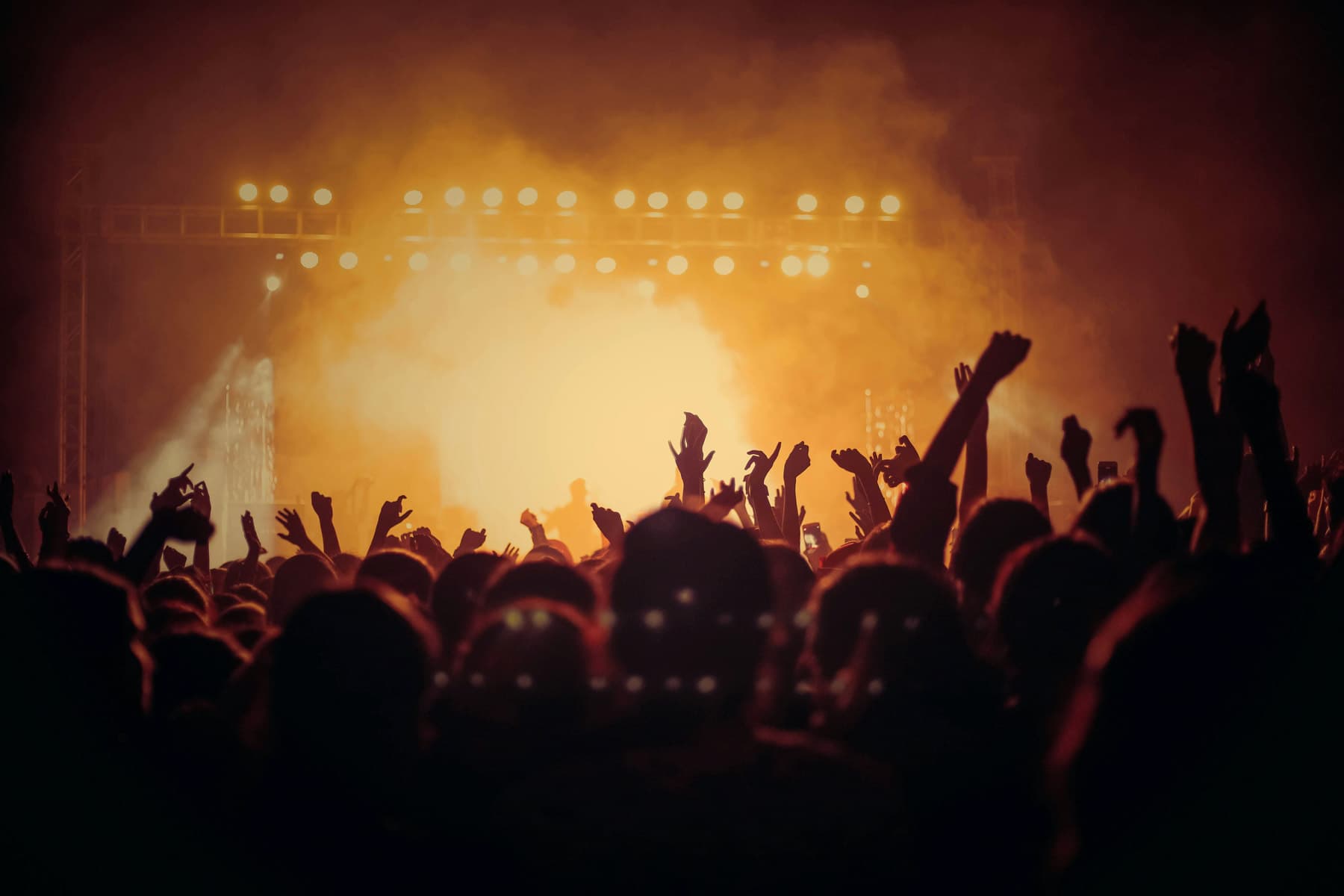
Concert photography on film demands discipline that digital shooters never face. Burn through your roll in the first song and you'll miss the peak moments in songs two and three. Film photography at live shows means every frame costs money, you're working in near darkness, and you get no second chances once those first three songs end. The photo pit clears, security escorts you out, and the show continues without you.
What You'll Learn
This comprehensive guide covers everything you need to master concert photography on film—from essential gear and camera settings to timing strategies, low-light techniques, and photo pit etiquette. Whether you're shooting local clubs or arena shows, you'll find actionable advice to capture live music with authentic film aesthetics in the most challenging conditions.
Who This Guide Is For
Photographers (beginners to intermediate) who want to document live music, build a music photography portfolio, and capture the energy of performances without relying on digital instant feedback or high ISO safety nets.
The challenge and reward of concert photography
Concert photography demands split-second timing in extreme low light. You're shooting in darkness with erratic stage lights, performers move constantly, and venues restrict you to three songs with no flash. On film, each frame costs $1.50 and you won't see results for weeks.
When you nail it, you capture raw energy that makes viewers feel the music. Film's grain adds character that digital noise can't match. The difference comes down to anticipation, metering discipline, and trusting instincts without instant feedback.
Essential equipment for concert photography
You don't need expensive gear, but certain tools handle low light better.
Camera body requirements
Manual SLRs with reliable metering handle concert chaos well. A Nikon FE2 offers dependable metering and shoots to 1/4000s. The Contax G2 provides autofocus and sharp optics. For point-and-shoot convenience, the Olympus Mju II or Yashica T4 delivers sharp results. Budget option: a Ricoh GR1 or Olympus Stylus offers excellent optics on the used market.
Lenses that work
Fast lenses (f/1.4-f/2.8) are non-negotiable. A 50mm f/1.8 handles most situations. For versatility, a 35mm f/2 captures wider stage context. Longer focal lengths (85mm f/1.8) isolate performers but demand steadier hands.
Avoid zooms unless they're f/2.8 constant. The extra stop from a prime often means the difference between usable and underexposed.
Film stocks & accessories
Portra 800 delivers exceptional low-light performance with fine grain. Push it to 1600 or 3200 for darker venues. Cinestill 400D handles tungsten stage lights with unique halation glow. Black and white film like Tri-X 400 (pushed to 1600 or 3200) emphasizes contrast. Kodak Gold 200 (pushed to 800) offers affordability.
Essential accessories: high-quality earplugs (non-negotiable), spare film rolls, light meter, lens cloth, comfortable strap.
Camera settings for concert photography
Start with these settings, then adapt based on stage lighting.
Exposure & metering
Meter for the performer's face when spotlit and accept dark backgrounds. Spot metering on skin tones gives accurate baseline exposure.
Settings recipe for typical stage lighting:
- Film: Portra 800 pushed to 1600
- Aperture: f/2 or f/2.8
- Shutter speed: 1/250s minimum
- Metering: Spot meter on performer's face
Portra 800 pushed to 1600 handles extreme contrast. Metering for the performer lets backgrounds go dark naturally. At $18 per roll plus push processing, shoot intentionally. Bracket critical moments: meter reading, +1 stop, -1 stop.
- •Film: Portra 800 pushed to 1600
- •Aperture: f/2 or f/2.8
- •Shutter speed: 1/250s minimum
- •Metering: Spot meter on performer's face
Focus technique
Pre-focus on the microphone stand at performer's distance, then wait for the moment. At f/2-f/2.8, depth of field is shallow. Focus on eyes for portraits.
Zone focusing works for wider shots. Set focus to 10-12 feet at f/2.8 for sharpness across the stage. With practice, you'll nail shots 70-80% of the time.
Film handling & technique
Load fresh rolls before the show. Track your frames religiously. Running out mid-song means missing peak moments. Use motor drive for continuous shooting during jumps.
Each frame costs approximately $2. Shoot deliberately. Wait for good lighting, clear expressions, and peak action.
Composition & creative techniques
Technical settings get you exposed images. Composition captures the energy and emotion of live music.
Framing & perspective
Shoot from chest height in the photo pit for natural perspective. Getting low emphasizes stage height and performer power. Shooting from the sides captures profile angles and avoids crowded center positions.
Include instruments in frame. A guitarist without a guitar looks incomplete. Frame singers with microphones visible. Show context through stage elements, lighting rigs, or crowd reactions. Leave space in the direction performers face or move.
Leading lines & shapes
Look for lines created by microphone stands, guitar necks, and stage edges. Position yourself so these elements lead to the performer's face. Diagonal lines from instruments add dynamic energy.
Stage lights create dramatic shapes and silhouettes. Backlit performers with rim lighting separate subjects from dark backgrounds. Side light reveals texture and dimension. Use light as a compositional element, not just illumination.
Capturing motion & energy
Concert photography lives in movement. Freeze peak action at 1/250s or faster. Capture jumps at apex, guitar solos at dramatic poses, singers mid-scream. Anticipate these moments by learning the music beforehand.
Motion blur at 1/60s or 1/30s creates experimental effects showing energy and chaos. Pan with moving performers for sharp subjects against blurred backgrounds. This technique demands practice but yields unique results.
Genre-specific composition tips
Shoot all band members, not just the lead singer. Drummers require longer lenses from the pit. Guitarists and bassists provide dramatic action shots during solos. Capture the entire band with wide-angle lenses for context. Photograph crowd reactions for complete storytelling.
Lighting techniques for concert photography
Light makes or breaks concert photos. Film's response to extreme stage lighting creates unique challenges.
Natural light strategies
Before the show, ambient light from bars and entrances provides opportunities for candid prep shots. During the show, work with stage lighting. Spotlights provide the most usable light. Position yourself where spotlights hit performers' faces. Side light from stage left or right creates dimension better than front light.
Artificial light approach
Never use flash (it's universally forbidden). Learn to read stage lighting patterns. Most shows have lighting cues tied to song structure. Choruses often get brighter lighting. Guitar solos trigger spotlights.
Colored gels create challenges. Red and blue stage lights can fool your meter. Underexpose by 1 stop under heavy colored lighting. Tungsten stage lights render warmer on daylight film, creating the retro vibe associated with concert photography.
Challenging lighting scenarios
Spotlit performers against pitch-black backgrounds exceed film's latitude. Expose for the performer and accept dark backgrounds. This creates dramatic, high-contrast images.
When lighting is too dark, wait. Most songs have brighter moments during choruses or solos. Use dark passages to reposition or reload. Patience yields better results than wasting frames.
Working with subjects
Performers don't pose for you. They're focused on the audience and music.
Anticipate movements by researching the band beforehand. Watch YouTube videos to learn stage positions and peak moments. Knowing when a singer jumps lets you pre-focus and wait.
Respect performer space. Don't distract them or block audience views. Stay low in the pit. Professional behavior earns future access.
Concert photography workflow & shooting tips
A systematic approach maximizes your limited shooting window.
Preparation & planning
Research the band's music and stage show beforehand. Know the setlist if possible. Scout the venue. Note pit size and stage height.
Checklist: 4-6 rolls loaded, backup rolls, earplugs, light meter, settings pre-configured.
Arrive early to secure good pit position. Understand the three-song rule.
During the shoot
The first three songs are your entire window. Start shooting immediately. Focus on the lead singer first, then other members.
Shot priority: lead singer with clear face, guitarist during solos, drummer, full band wide shot, crowd reactions.
Work the pit. Move from center to sides for different angles. Don't camp in one spot.
Adapting to challenges
When lighting changes, adjust shutter speed quickly. When a performer turns away, reposition or wait. When you run low on film, prioritize remaining frames for peak moments.
Film's limitations force intentionality.
Post-processing concert photography
Concert photos benefit from careful scanning and minimal editing.
Essential adjustments
Communicate with your lab about push processing requirements. Request scans that preserve highlight detail without crushing blacks completely.
Workflow: straighten horizons, adjust levels for tonal range, subtle S-curve for punch, correct color casts.
Concert images typically need contrast enhancement. Film's grain filter adds organic texture that complements the genre.
Consistency & style
Develop all film from a show with the same lab and push processing. Batch process basic adjustments. Individual tweaks handle specific variations.
Common mistakes & how to avoid them
Even experienced photographers make these mistakes.
Mistake 1: Shooting in darkness
Wasting frames when lights are off creates unusable images. Instead, wait for lighting cues. Use dark moments to reposition or reload.
Mistake 2: Camping center stage
Staying in the crowded center limits angles and blocks others. Instead, work pit sides for profile shots and less competition.
Mistake 3: Ignoring the three-song rule
Continuing after your allotted time gets you ejected and blacklisted. Instead, respect venue rules absolutely. Three songs is standard.
Mistake 4: Wrong film choice
Loading ISO 100 film for a dark club guarantees failure. Instead, choose fast film (800-3200) appropriate for venue size.
Mistake 5: Forgetting earplugs
Permanent hearing damage isn't worth any photo. Wear high-fidelity earplugs. Non-negotiable for regular shooting.
Pro concert photography tips & techniques
Once you've mastered the basics, these advanced techniques elevate your concert photography.
Pre-focus and wait: Set focus distance for where you expect action, then wait for the performer to enter that zone. This beats trying to focus in darkness.
Shoot during solos: Guitar and drum solos trigger spotlights and dramatic poses. These moments yield the best shots. Anticipate them from your research.
Use the pit strategically: Arrive early to claim optimal positions. Sides offer better angles than center. Far sides capture full stage context with less crowd.
Embrace grain: Pushed Tri-X at 3200 creates heavy grain that adds character to concert photos. Don't fight it. The vintage photo aesthetic suits live music perfectly.
Gear recommendations summary
* Prices as of December 2024 – always check current pricing. These are starting points, not requirements.
| Category | Budget Option | Mid-Range | Professional |
|---|---|---|---|
| Camera Body | Olympus Stylus ($100-200) | Contax G2 ($800-1200) | Nikon FE2 ($300-500) |
| Primary Lens | 50mm f/1.8 ($100-200) | 35mm f/2 ($200-400) | 50mm f/1.4 ($300-600) |
| Film Stock | Kodak Gold 200 pushed ($8-10/roll) | Portra 800 ($15-18/roll) | Cinestill 400D ($16-20/roll) |
| Key Accessory | Foam earplugs ($5) | High-fidelity earplugs ($20-40) | Custom molded earplugs ($150-300) |
FAQs (intent catchers)
What are the best camera settings for concert photography?
For concert photography on film, use manual mode with f/2-f/2.8 aperture (widest your lens allows), 1/250s minimum shutter speed to freeze motion, and ISO 800-1600 film (pushed to 3200 if needed). Spot meter on the performer's face when spotlit. These settings work for most stage lighting, but adjust shutter speed based on your meter readings. Shoot Portra 800 or Cinestill 400D for best results.
What camera is best for concert photography?
The best camera for concert photography has fast lenses, reliable metering, and sturdy build quality. The Nikon FE2 excels with dependable metering and fast shutter speeds, while the Contax G2 offers autofocus and exceptional optics. For beginners, the Olympus Mju II delivers sharp results with a fast built-in lens. Honestly, a fast lens (f/1.8-f/2.8) matters more than the camera body. Any manual SLR with a 50mm f/1.8 can capture great concert photos.
How do I photograph concerts in low light?
Concert photography in low light requires fast film and wide apertures. Load Portra 800 or Tri-X 400 and push process to 1600 or 3200. Shoot at f/2 or wider, use 1/250s shutter speed minimum, and spot meter on performers' faces. Wait for spotlights during choruses and solos rather than shooting in darkness. Embrace film's grain—it adds character to low-light concert work. Never use flash (it's forbidden and ruins the atmosphere).
What lens should I use for concert photography?
For concert photography, a 50mm f/1.8 works best because it gathers light efficiently and costs less than most concert tickets. A 35mm f/2 offers wider coverage for full-band shots while maintaining speed. Longer focal lengths (85mm f/1.8) isolate performers but demand steadier hands. Aperture matters more than focal length. Any lens slower than f/2.8 will struggle in concert lighting. Budget option: the Olympus Mju II's built-in 35mm f/2.8 delivers excellent results.
How do I get sharp concert photos?
Sharp concert photos require fast shutter speeds and proper focus technique. Use 1/250s minimum to freeze performer movement (1/500s for jumping or fast action). Pre-focus on the microphone stand or instrument at the performer's distance, then wait for the moment. At f/2-f/2.8, depth of field is shallow, so focus on eyes for portraits. Brace yourself when shooting to minimize camera shake. With practice and proper technique, you'll nail focus 70-80% of the time.
What are common concert photography mistakes?
The most common concert photography mistakes are: shooting in darkness when lights are off (wait for lighting cues), camping center stage (work the pit sides for better angles), ignoring the three-song rule (respect venue restrictions absolutely), choosing wrong film speed (use ISO 800+ for dark venues), and forgetting earplugs (permanent hearing damage isn't worth any photo). Wasting frames on underexposed darkness is the most detrimental—patience and timing matter more than frame count.
What film stock is best for concert photography?
For concert photography, Portra 800 offers the best balance of fine grain, accurate skin tones, and pushability to 1600 or 3200. Cinestill 400D handles tungsten stage lights beautifully with unique halation glow. For black and white work, Tri-X 400 pushed to 1600 or 3200 emphasizes contrast and texture. Kodak Gold 200 pushed to 800 provides an affordable option for practice. Start with Portra 800 pushed to 1600 for versatile performance in most concert conditions.
How do I handle the three-song rule?
The three-song rule limits photographers to the first three songs (approximately 10 minutes). Respect this absolutely or risk ejection and blacklisting. Research the band beforehand via YouTube to know what happens in those first moments. Arrive early to secure good pit position. Shoot the lead singer first, then other band members. Prioritize: clear facial shots, dramatic moments, full band context. Work efficiently and respect other photographers' space. Three songs is standard industry practice.
Conclusion: Your concert photography journey
Concert photography demands anticipation, technical precision in extreme low light, and respect for the craft, but the results capture raw energy that makes viewers feel the music. Start with fast film and a 50mm f/1.8—these fundamentals matter more than expensive gear. Practice at local shows builds timing skills and pit awareness faster than overthinking settings.
Remember: even professional concert photographers miss focus and burn frames in darkness. Every experienced photographer struggled with the three-song limit and extreme contrast when starting. The difference is persistence and learning from each roll.
Next steps:
- Load Portra 800 and shoot a local show to practice timing and metering
- Research bands on YouTube before shows to anticipate peak moments
- Build relationships with local venues and bands for ongoing access
Your unique perspective on concert photography matters because every performance is unrepeatable and every photographer sees different moments. Now get out there and capture the energy of live music.
- •Load Portra 800 and shoot a local show to practice timing and metering
- •Research bands on YouTube before shows to anticipate peak moments
- •Build relationships with local venues and bands for ongoing access
Author notes (E-E-A-T)
Written by: Daydream Content Team — photographers with 10+ years of combined experience shooting concerts, festivals, and live music events on film and digital.
Experience: Hundreds of concert shoots from intimate club shows to arena performances. Extensive work with pushed film in extreme low-light conditions and photo pit restrictions.
Gear used: Nikon FE2, Contax G2, Olympus Mju II, various fast prime lenses. Primary film stocks: Portra 800, Cinestill 400D, Tri-X 400, all pushed to 1600-3200.
Teaching background: Workshops on concert photography technique, timing strategies, and working within industry restrictions for photographers transitioning to live music documentation.
Conflicts of interest: Daydream is our film emulation app. We believe in authentic film photography and created Daydream to make film aesthetics more accessible.
Related Topics
Related reading
Join the iOS Beta
Join the beta to experience authentic film photography with Daydream Film when we launch.