
Photography Guides
Fashion Photography Guide: Camera Settings, Lighting & Model Direction
Daydream Editorial
· 12 min read
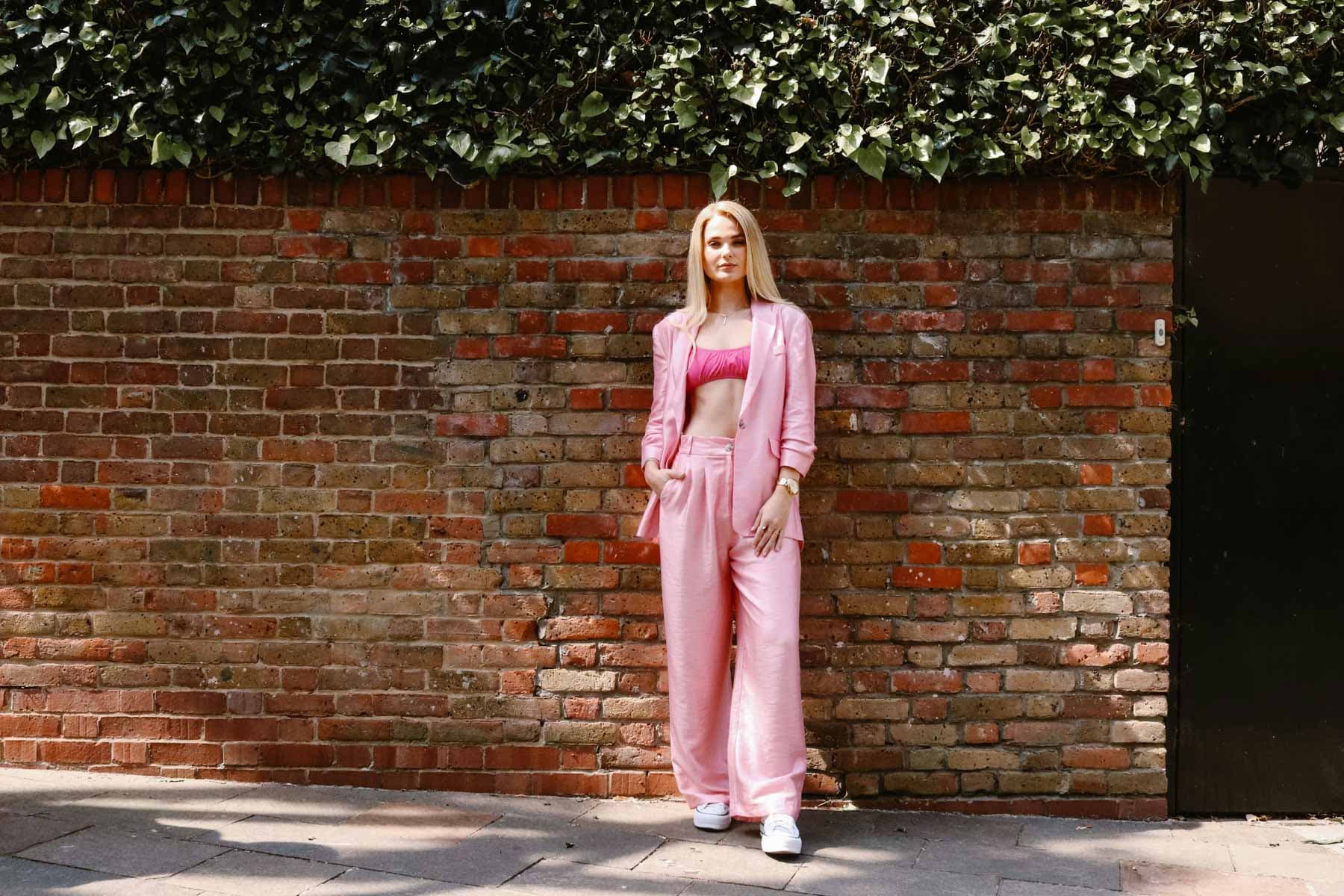
Fashion photography reveals a harsh truth: perfect lighting and composition mean nothing if the model's hand placement looks awkward. This genre isn't just technical execution. It's directing people, managing a creative team, telling stories through clothing, and making split-second decisions about light, pose, and mood all at once.
What You'll Learn
This guide covers everything you need to master fashion photography on film—from essential gear and camera settings to lighting techniques, model direction, team collaboration, and post-processing workflow. Whether you're shooting editorial spreads, lookbooks, or building your portfolio, you'll find actionable advice to create compelling fashion images.
Who This Guide Is For
Photographers (beginners to intermediate) who want to break into fashion photography, understand how to direct models and manage creative teams, and create professional fashion images without expensive studio setups or massive budgets.
The challenge and reward of fashion photography
Fashion photography demands more than technical skill. You're managing people, telling visual stories, making clothing look desirable, all while directing a model and maintaining energy on set.
The challenge: you need to nail exposure and composition while simultaneously directing poses, watching for wardrobe issues, and keeping the team aligned. One stray hair ruins an otherwise perfect shot.
When you nail it though, you create images that sell not just clothing but an entire lifestyle. Fashion photography rewards those who balance technical precision with creative vision and team leadership.
Essential equipment for fashion photography
Fashion photography works with both minimal and elaborate setups. Here's what matters.
Camera body requirements
For fashion photography on film, medium format delivers exceptional detail. The Pentax 67 is the gold standard—sharp lenses, large negatives, professional results. The Contax T2 works for editorial street-style fashion.
For 35mm, the Nikon FE2 offers reliable metering. The Olympus Mju II fits in your pocket. The Yashica T4 provides excellent Carl Zeiss optics.
Lenses that work
An 85mm or 105mm lens provides flattering perspective for portraits and full-length shots. A 50mm f/1.4 works beautifully for editorial work with wide aperture for background separation.
Wide apertures (f/1.4 to f/2.8) create shallow depth of field, emphasizing the model and clothing.
Film stocks & lighting gear
Portra 160 delivers fine grain, rich colors, and beautiful skin tones—perfect for editorial work. Portra 400 offers versatility for mixed conditions. Ektar 100 provides saturated colors. Kodak Gold creates warm, vintage photo aesthetics.
Lighting essentials: flash, white reflector cards, diffuser, light meter.
Camera settings for fashion photography
Fashion photography settings depend on whether you're shooting in studio or on location.
Studio settings for fashion
In controlled studio lighting, consistency matters. Shoot for maximum sharpness and depth.
Settings recipe for studio fashion:
- Film: Portra 160 (ISO 160)
- Aperture: f/8 to f/11 (keeps entire outfit sharp)
- Shutter speed: 1/125 to 1/250 (syncs with flash)
- Metering: Incident meter for flash, or spot meter on model's face
- Flash sync: ensure shutter speed at or below sync speed (usually 1/250)
At f/8, both the model's face and clothing details stay sharp. This matters when showcasing fabric texture and garment construction.
- •Film: Portra 160 (ISO 160)
- •Aperture: f/8 to f/11 (keeps entire outfit sharp)
- •Shutter speed: 1/125 to 1/250 (syncs with flash)
- •Metering: Incident meter for flash, or spot meter on model's face
- •Flash sync: ensure shutter speed at or below sync speed (usually 1/250)
Location settings for fashion
On location, you're working with natural light and want background separation.
Settings recipe for location fashion:
- Film: Portra 400 (ISO 400)
- Aperture: f/2.8 to f/4 (blurs background, emphasizes model)
- Shutter speed: 1/250 to 1/500 (freezes movement)
- Metering: Center-weighted on model's face
The wider aperture creates beautiful bokeh, making the model and clothing pop against soft backgrounds. This works beautifully for editorial photography and lifestyle photography.
- •Film: Portra 400 (ISO 400)
- •Aperture: f/2.8 to f/4 (blurs background, emphasizes model)
- •Shutter speed: 1/250 to 1/500 (freezes movement)
- •Metering: Center-weighted on model's face
Focus & composition technique
For fashion photography, focus on the model's eyes (for portraits) or the key garment detail (for fashion-focused shots). Use split-prism focusing for precision.
Composition: rule of thirds works, but fashion photography also succeeds with centered compositions when done intentionally. Centered framing with strong symmetry creates powerful, direct images. Off-center positioning creates dynamic energy.
Lighting techniques for fashion photography
Lighting defines fashion photography. Master these approaches.
Natural light strategies
Golden hour provides soft, warm light perfect for editorial fashion photography. The golden hour aesthetic creates flattering skin tones and soft pastels.
Conditions:
- Bright sun: use open shade or diffuser
- Overcast: soft, even light flatters skin
- Window light: position model near large windows for beautiful directional light
- Side light: creates dimension and emphasizes fabric texture
Position model so side light or natural light comes from 45 degrees for flattering illumination.
- •Bright sun: use open shade or diffuser
- •Overcast: soft, even light flatters skin
- •Window light: position model near large windows for beautiful directional light
- •Side light: creates dimension and emphasizes fabric texture
Studio lighting techniques
Key lighting patterns:
- Butterfly lighting: light above model, creates shadow under nose—classic beauty lighting
- Loop lighting: light at 30-45 degrees—natural and flattering
- Clamshell lighting: two lights creates soft, even illumination
- Rim lighting: light from behind separates model from background
Start with one light and master it. A single light with reflector creates professional results.
- •Butterfly lighting: light above model, creates shadow under nose—classic beauty lighting
- •Loop lighting: light at 30-45 degrees—natural and flattering
- •Clamshell lighting: two lights creates soft, even illumination
- •Rim lighting: light from behind separates model from background
Flash for location
Balance ambient light with flash. Meter for ambient, then add flash as fill at -1 to -2 stops. Bounce flash for soft light.
Working with models
Fashion photography lives or dies on model direction and collaboration.
Communication & direction
Explain your concept. Show reference images. Demonstrate poses—this breaks the ice. Give positive feedback constantly: "That looks great," "Love that angle."
Posing & movement
Start simple, then build complexity. Watch hands—guide them to touch clothing naturally. Create shapes: bent knees, tilted hips add dynamic lines. Shoot in bursts as models transition.
For fabric movement, have models walk, spin, or play with garments. Use 1/500 shutter to freeze motion.
Building comfort on set
Play music. Keep the set relaxed. Never touch the model without permission.
Fashion photography workflow & shooting tips
A systematic approach ensures you capture everything needed.
Pre-shoot planning
Create a mood board showing desired mood, lighting, poses, styling. This keeps everyone aligned.
Assemble your team: model, stylist, hair and makeup artist. For beginners, friends work. For portfolio building, use TFP (Trade For Print)—everyone works for images.
Scout locations or book studio. Get model releases signed.
During the shoot
Start with hair and makeup (30-60 minutes). Organize wardrobe in shooting order.
Warm up with simple poses. Work through your shot list: full-length, three-quarter, close-ups, different angles.
Shoot 30-100 frames per look. Check exposure periodically.
Team collaboration
Listen to your stylist's suggestions. Trust your makeup artist. Give your model creative freedom within your concept.
Maintain positive energy. Provide snacks and water. Credit everyone in final images.
Composition & creative techniques
Fashion photography composition emphasizes the clothing while creating visual interest.
Framing & perspective
Use rule of thirds or centered framing for powerful, symmetrical images. Centered composition works when background is clean and pose is strong.
Shoot from different heights: slightly above makes eyes prominent. Low angle elongates legs and creates drama. Eye level creates natural images.
Background & location
Choose backgrounds that complement clothing. Neutral backgrounds let bold fashion pop. Interesting locations work for editorial photography when they support the story.
Avoid busy patterns unless intentional. Scout locations beforehand for clean walls and interesting textures.
Styling & details
Watch for wrinkled clothing, stray hairs, awkward fabric bunching. Fix on set.
Ensure clothing details are visible—don't let poses obscure key features. Create movement in fabric. Have models walk, spin, or play with flowing garments.
Post-processing fashion photography
Fashion photography requires more post-processing than most genres.
Essential adjustments
Correct exposure and white balance. Add contrast to make images pop. Crop for stronger composition.
Retouching technique
Fashion photography demands clean skin while maintaining texture. Remove blemishes, even tone, but preserve texture—over-smoothing looks artificial.
Use frequency separation or dodge and burn. Retouch clothing: remove wrinkles, clean up fabric. Fashion presents clothing in ideal form.
Style consistency
Choose an aesthetic—clean and bright, moody and dramatic, warm and vintage photo—and apply it across your work. This creates recognizable style and cohesive brand photography.
Common mistakes & how to avoid them
Even experienced fashion photographers make these errors.
Mistake 1: Focusing on the model instead of the fashion
Fashion photography sells clothing. Tight face shots that barely show the outfit miss the point.
Solution: Always ask "What am I selling?" Show the dress, accessories, or garment. The model presents the fashion.
Mistake 2: Poor model direction
Vague direction like "look natural" doesn't help models.
Solution: Be specific. Show reference images. Give actionable feedback: "Tilt your chin down," "Soften your hands." Clear direction gets results.
Mistake 3: Neglecting the team
Doing everything yourself spreads you too thin. Quality suffers.
Solution: Build a team. A stylist improves wardrobe. A makeup artist saves retouching time. Collaboration creates better work.
Mistake 4: Skipping the mood board
Starting without clear concept leads to disjointed images.
Solution: Create a mood board showing mood, lighting, poses, styling. Share it before the shoot.
Pro fashion photography tips & techniques
Once you've mastered basics, these techniques elevate your work.
Shoot tethered when possible: Connect your camera to a laptop so the team sees images immediately. This allows real-time adjustments to styling, makeup, and poses. Everyone stays aligned on the vision.
Use fabric movement strategically: Static clothing looks flat. Have models walk toward camera, spin, or toss flowing fabric. Shoot at 1/500 to freeze the peak moment when fabric creates beautiful shapes.
Master the in-between moments: Some of the best fashion photography happens between posed shots. Keep shooting as models transition—these candid moments often feel more natural and dynamic than static poses.
Build a signature style: Study fashion photographers whose work you admire. Notice their lighting, composition, color grading. Develop your own recognizable aesthetic through consistent choices in these elements. Your style becomes your brand.
Gear recommendations summary
* Prices as of December 2024—always check current pricing. These are starting points, not requirements.
| Category | Budget Option | Mid-Range | Professional |
|---|---|---|---|
| 35mm Camera | Used SLR ($100-200) | Nikon FE2 ($300-500) | Contax T2 ($500-800) |
| Medium Format | Pentax 6x7 ($400-700) | Pentax 67 ($800-1500) | Hasselblad 500CM ($1500-3000) |
| Portrait Lens | 50mm f/1.8 ($100-200) | 85mm f/1.8 ($300-500) | 105mm f/2.5 ($400-700) |
| Film Stock | Kodak Gold ($8-10/roll) | Portra 400 ($12-15/roll) | Portra 160 ($12-15/roll) |
FAQs (intent catchers)
What are the best camera settings for fashion photography?
For studio fashion photography on film, use Portra 160, aperture f/8 to f/11 for sharpness across the entire outfit, shutter speed 1/125 to 1/250 (at or below flash sync speed), and meter with incident light meter for accurate exposure. For location fashion photography, use Portra 400, aperture f/2.8 to f/4 for background blur, shutter speed 1/250 to 1/500 for freezing movement, and meter for the model's face using center-weighted metering.
What camera is best for fashion photography?
The best camera for fashion photography depends on your budget and shooting style. The Pentax 67 delivers exceptional medium format quality with sharp lenses and large negatives—ideal for professional editorial work. For 35mm, the Nikon FE2 offers reliable metering and professional lens options. For compact fashion photography, the Contax T2 provides razor-sharp images in a pocketable body. Medium format delivers the flattering perspective and detail that fashion photography demands.
How do I direct models in fashion photography?
Direct models with clear, specific instructions. Show reference images or demonstrate poses yourself. Give positive feedback constantly to build confidence. Guide hand placement, body angles, and facial expressions with actionable direction like "Tilt chin down slightly" rather than vague instructions like "look natural." Keep the set relaxed with music and breaks. Shoot in bursts as models transition between poses—these in-between moments often yield the best results.
What lighting is best for fashion photography?
For fashion photography, butterfly lighting (light directly in front and above) creates classic beauty lighting with flattering shadows. Loop lighting (light at 30-45 degrees) provides natural, dimensional illumination. For location shoots, window light and natural light during golden hour provide soft, beautiful illumination. Side light creates dimension and emphasizes fabric texture. Start with one light and master it before adding complexity.
What film stock is best for fashion photography?
Portra 160 is ideal for fashion photography in good light—fine grain, rich colors, beautiful skin tones with soft pastels. Portra 400 offers more versatility for mixed lighting conditions. Ektar 100 provides saturated colors for bold fashion statements. Kodak Gold creates warm, vintage photo aesthetics perfect for retro-styled editorial photography. Choose based on lighting conditions and desired aesthetic.
How do I build a fashion photography portfolio?
Build your portfolio through TFP (Trade For Print) shoots where everyone works for images. Find aspiring models, stylists, and makeup artists on social media or Model Mayhem. Create mood boards for each concept. Start simple—one model, one location, minimal styling. As your portfolio grows, you'll attract better collaborators. Share work on Instagram to gain exposure. Network with other creatives—they refer work and collaborate on projects.
What's the difference between editorial and commercial fashion photography?
Editorial photography tells stories and conveys moods—more art-driven with creative freedom. Shot for magazines and publications. Commercial fashion photography (brand photography) drives sales and aligns with brand identity—cleaner, more product-focused. Shot for advertising, lookbooks, e-commerce. These techniques also apply to maternity photos and environmental portrait work where styling and lighting matter. Editorial allows experimentation. Commercial requires following brand guidelines.
Conclusion: Your fashion photography journey
Fashion photography demands balancing technical precision with creative vision, managing teams while staying flexible, and directing people while maintaining positive energy. Start with simple concepts—one model, one location, natural light. Build your skills before adding complexity.
Remember: every fashion photographer started with awkward first shoots. The difference is persistence and learning from mistakes. Study fashion magazines and photographers whose work inspires you. Practice model direction. Experiment with lighting.
Next steps:
- Create a mood board for your first concept shoot
- Find collaborators (model, stylist, makeup artist) through social media
- Scout locations or book studio time
- Shoot, edit, share your work, and repeat
Fashion photography rewards those who combine technical skill with people management and creative vision. Your unique aesthetic matters in a crowded field. Now get out there and create images that tell compelling stories through clothing, light, and human connection.
- •Create a mood board for your first concept shoot
- •Find collaborators (model, stylist, makeup artist) through social media
- •Scout locations or book studio time
- •Shoot, edit, share your work, and repeat
Author notes (E-E-A-T)
Written by: Daydream Content Team—photographers with 12+ years shooting fashion photography including editorial spreads, commercial campaigns, lookbooks, and portfolio development for emerging designers
Experience: Extensive fashion work on film (Portra 160, Portra 400, Ektar 100) across studio and location shoots. Hundreds of fashion editorials shot, working with models, stylists, makeup artists, and creative teams. Experience ranges from high-fashion editorial to commercial brand photography.
Gear used: Pentax 67 (medium format workhorse), Nikon FE2, Contax T2, Olympus Mju II. Primary film stocks: Portra 160 (studio/bright conditions), Portra 400 (versatile), Ektar 100 (bold colors), Kodak Gold (vintage aesthetics).
Teaching background: Workshop instruction for fashion photographers, focus on model direction, lighting techniques, team collaboration, and portfolio development
Conflicts of interest: None. No affiliate relationships. Daydream app mentioned as complementary tool for fashion photographers.
Related Topics
Join the iOS Beta
Join the beta to experience authentic film photography with Daydream Film when we launch.