
Film Reviews
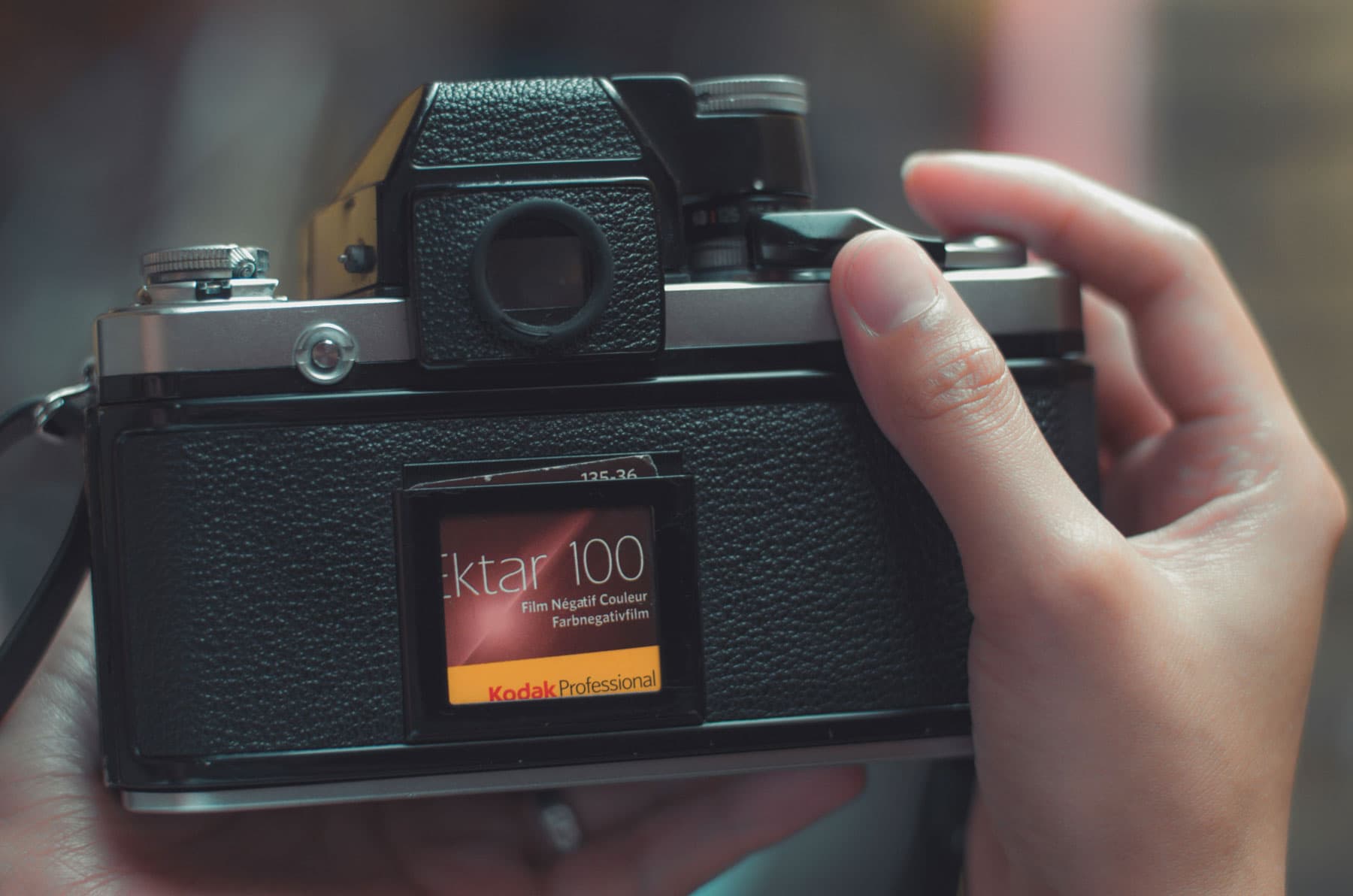
Kodak Ektar 100 Review: The Sharpest, Most Saturated Film Debate

Shane Labelle
· 9 min read
Verdict
Kodak Ektar 100 delivers slide-film saturation and near-grainless sharpness in a forgiving C-41 negative. Best for landscapes, architecture, and travel where vivid colors shine.
Film photographers are divided on Kodak Ektar 100: some call it the finest-grain color negative ever made, perfect for landscapes with its punchy saturation. Others won't touch it for portraits because it turns lighter skin tones red-orange. The debate centers on whether ultra-saturation is a feature or a flaw.
Kodak Ektar 100 Background
Kodak introduced Ektar 100 in 2008 as a professional color negative film optimized for ultra-fine grain and high saturation. It's worth noting that Kodak markets it as "the world's finest grain" color film for nature, travel, outdoor, fashion, and product photography. Portraits aren't on that list, which tells you something. Available in 35mm, 120, 4×5, and 8×10 formats.
Key features include T-grain emulsion for exceptional sharpness, vivid saturation that rivals slide film, +3 stops overexposure latitude (more forgiving than slide film), and daylight-balanced color at 5500K. Within the film community, Kodak Ektar has earned cult status as the landscape king, the film you reach for when you want maximum detail and punchy colors.
Kodak Ektar 100 Image Characteristics
Color & Tone
Kodak Ektar's color palette is aggressively saturated in the best possible way, blues punch deep and rich, greens lean vivid and almost electric, yellows glow with an intensity that demands attention, and reds saturate hard (sometimes too hard, especially on lighter skin tones). The film shows most of its contrast in the shadows, decreasing as highlights build, giving you slide film's punch with negative film's forgiving latitude. Blue skies come out impossibly deep, grass tones border on unnaturally vivid, and skin unfortunately renders with that characteristic reddish-orange cast that makes Ektar unsuitable for most portrait work. In mixed lighting, colors stay true without Portra's pastel softness. Daylight-balanced at 5500K, tungsten light renders a warm-orange that can be beautiful or problematic depending on your intent. The overall mood is bold, punchy, and saturated, this isn't a subtle film. The saturated color character actually inspired our Nostalgia preset's vivid palette, though Nostalgia adds warmth where Kodak Ektar stays neutral-saturated.
Contrast & Dynamic Range
Kodak Ektar punches hard with slide-film-like contrast that makes images pop straight out of the scanner. Deep shadows and bright highlights have natural separation without any grading needed. The film has roughly 9 stops of dynamic range, which is respectable for a color negative. It handles +3 stops overexposure with highlight detail intact, making it quite forgiving on the bright end. Underexposure by more than -1 stop shifts shadows blue and crushes detail, so err on the side of proper exposure or slight overexposure. In harsh sunlight, Kodak Ektar holds shadow detail while keeping highlights bright and punchy. The shoulder is gentle (highlights roll off smoothly), while the toe is steep (shadows drop quickly if underexposed). Color shifts with exposure in predictable ways: underexposed shadows shift blue-cyan, while overexposed highlights maintain their saturation remarkably well.
Grain & Sharpness
As an ISO 100 T-grain film, Kodak Ektar resolves incredible detail that rivals medium format. Grain is nearly imperceptible in 35mm up to 11×14 prints, and at 40MP scans it remains almost invisible, you're more likely to see dust than grain. In 120 format, the larger negative eliminates visible grain entirely, producing results that look almost digital in their smoothness. Sharpness is exceptional, with scans that are crisp and high-acutance enough that your lens and scanner become the limiting factors, not the film. Kodak's own data indicates no visible grain in 8×10 prints from 35mm, which is remarkable. This fine grain structure actually inspired our Daydream preset at ASA 800, scaled appropriately for digital sensors.
How to Shoot Kodak Ektar 100: Landscape Photography, Travel Photography, and More
Kodak Ektar thrives in bright light where its fine grain and vivid colors shine.
Box Speed, Pushing & Pulling
Kodak Ektar 100 is rated at ISO 100. Shoot at box speed for optimal results. Pushing to 200 (+1 stop) yields punchier contrast and more grain. Good for extra saturation. Pushing to 400 (+2 stops) is possible but grain becomes noticeable and contrast borders on harsh. Pulling isn't common since Kodak Ektar's colors are already vivid, but rating at 50 gives pastel-like results. In practice, you can shoot from 50 to 200 without changing development, though box speed is optimal.
Ideal Lighting & Metering
Kodak Ektar loves bright, sunny daylight where its vivid saturation and fine grain shine. Meter for midtones. You can safely overexpose by +2 stops without losing highlights. Underexposure by -1 stop is recoverable but shadows shift blue. On overcast days, Kodak Ektar maintains pop but flattens slightly. In open shade, expect cooler rendering with blue-cyan shadows. At night or indoors, ISO 100 struggles. Use long exposures (watch for reciprocity failure beyond 1 second) or flash. Daylight-balanced, so tungsten bulbs render warm-orange.
Best Cameras for Kodak Ektar 100: Pentax 67, Contax T2, and More
Kodak Ektar's fine grain makes it perfect for 35mm cameras with sharp lenses like Zeiss glass on Contax T2 or Olympus Mju II. In medium format like Pentax 67 or Mamiya 7, Kodak Ektar's sharpness becomes even more apparent. Larger negatives reduce grain to near-zero, perfect for large prints. In 35mm compacts with slower lenses, Kodak Ektar struggles without good light. Kodak Ektar has DX coding, so auto-exposure cameras read ISO correctly.
Scanning & Post-Processing (Digitizing Your Results)
Lab Scans vs Home Scanning
Most labs handle Kodak Ektar well with standard C-41 profiles, though the film can confuse auto-scan algorithms. You may see cyan shadows or brownish scans if software overcorrects. Better to scan as RAW and invert manually or use Kodak Ektar-specific profiles. When scanning at home, use Negative Lab Pro or Silverfast. The thin orange base scans cleanly, but underexposed shadows require color correction to remove blue-cyan shifts.
Digital Flexibility & Grading
Kodak Ektar's contrasty scan gives moderate room to adjust. You can lift shadows and shift colors, though the strong color signature limits how much you can reduce saturation without looking flat. Kodak Ektar's fine grain responds well to sharpening. Most shooters embrace the vivid look rather than fighting it.
When Kodak Ektar 100 Shines: Natural Light Photography and Architecture Photography
Best for: Landscape photography (vivid skies, saturated foliage), travel photography (colorful scenes, architecture), natural light photography (bright daylight), architecture photography (fine detail, punchy colors), product photography, fashion editorial, cityscapes, beach and coastal scenes, large prints requiring maximum detail.
Struggles with: Portrait photography (red-orange skin tones on lighter complexions), low-light situations (ISO 100 too slow without tripod), night photography (long exposures cause reciprocity failure), mixed lighting indoors (requires careful metering), overly contrasty scenes (shadows can shift blue if underexposed).
If you need X, shoot Y instead:
- "Need flattering skin tones" → Portra 400
- "Need more speed for low light" → Portra 800 or CineStill 800T
- "Want similar saturation with better skin rendering" → Fuji Pro 400H (discontinued) or Kodak Gold 200
- "Need finer grain" → You won't find it in color negative film
Kodak Ektar 100 vs Portra 400, Kodak Gold 200, and Provia 100F
If you're considering Kodak Ektar 100, you're probably eyeing Portra 400 and Kodak Gold 200. Portra 400 offers natural skin tones and 12 stops of dynamic range but lacks Kodak Ektar's saturation and fine grain. Kodak Gold 200 is warmer and costs half as much, delivering 70% of Kodak Ektar's quality with nostalgic character. Kodak Ektar sits in the sweet spot: maximum sharpness and saturation in a forgiving negative.
Choose Kodak Ektar if you value ultra-fine grain and vivid saturation, and portraits aren't your priority. Choose Portra 400 for versatile skin tones. Choose Kodak Gold 200 to save $6-8 per roll. Kodak Ektar is the goldilocks option for landscapes and travel where color and detail matter most.
* Prices as of December 2025 – always fluctuating. Check current suppliers.
| Film | Why choose it | Where it loses vs Kodak Ektar 100 | Typical price* |
|---|---|---|---|
| Portra 400 | Natural skin tones, versatile for all subjects, 12-stop dynamic range | Less saturated colors, slightly more grain, costs more | $13-15/roll |
| Kodak Gold 200 | Warm nostalgic look, half the price, forgiving latitude | More grain, less sharp, warmer color cast | $6-8/roll |
| Provia 100F (slide) | Even more saturation, slide-film punch, archival positives | Unforgiving exposure (±1/2 stop), requires E-6 processing, expensive | $14-16/roll |
Is Kodak Ektar 100 Worth It in 2025?
Kodak Ektar 100 is available in 35mm, 120, 4×5, and 8×10. As of December 2025, expect to pay $11-13 for 35mm, $12-14 for 120. It's widely available from B&H, Freestyle, and Analogue Wonderland.
At $12 per roll, Kodak Ektar is mid-range compared to Portra 400 ($14) and Kodak Gold ($7). Worth it for landscape and travel photographers who need maximum detail and vivid colors. Not worth it if you shoot portraits primarily or need faster film for low light. Bottom line: if you shoot landscapes, architecture, or travel in good light, Kodak Ektar 100 is worth every penny.
Frequently Asked Questions
Is Kodak Ektar 100 worth it in 2025?
In 2025, Kodak Ektar 100 costs around $12 per roll. Worth it for landscape and travel photographers who need ultra-fine grain and vivid saturation. If portraits are your priority, choose Portra 400. For low-light work, save money with Portra 400 or Kodak Gold 200.
Kodak Ektar 100 vs Portra 400 – which is better?
Comparing Kodak Ektar 100 to Portra 400: Kodak Ektar offers finer grain and more saturated colors, while Portra has better skin tone rendering and higher ISO for versatility. It depends on priorities. Choose Kodak Ektar if you shoot landscapes and want maximum sharpness and saturation. Choose Portra if you shoot portraits, events, or need versatility across subjects.
Can you push Kodak Ektar 100? What about pulling?
Yes, Kodak Ektar 100 pushes well to 200 (+1 stop). Expect increased grain, more contrast, and even punchier saturation. Pushing +2 stops to 400 is doable but grain becomes noticeable and contrast borders on harsh. Pulling isn't common because Kodak Ektar's already-vivid colors don't need flattening, but rating at 50 and pulling development gives pastel-like results. For best results, shoot at box speed (ISO 100).
What cameras pair best with Kodak Ektar 100?
Kodak Ektar's fine grain makes it ideal for 35mm cameras with sharp lenses (Contax T2, Olympus Mju II) and medium format (Pentax 67, Mamiya 7) where larger negatives eliminate visible grain. Avoid slow lenses in low light without a tripod. In 120 it's even smoother, perfect for large prints.
How does Kodak Ektar 100 handle landscape photography?
Kodak Ektar excels in landscape photography with bright daylight. Vivid colors saturate beautifully, fine grain allows large prints, extended latitude handles high-contrast scenes. Meter for midtones and safely overexpose by +2 stops. It's the landscape king. In good light, nothing beats it for color and detail.
Does Kodak Ektar 100 scan well?
Kodak Ektar 100 scans well with proper exposure, though underexposed shadows can show blue-cyan color casts that require correction. Most labs handle it fine with standard C-41 profiles. Home scanners work great with film-specific profiles (Negative Lab Pro, Silverfast). The thin orange base scans cleanly. For best results, expose properly at box speed and use Kodak Ektar-specific scanning profiles to avoid color shifts.
What's the shelf life of Kodak Ektar 100? Does it need refrigeration?
Kodak Ektar 100 has a shelf life of 2-3 years if stored cool and dry. For long-term storage (3+ years), refrigerate at 55°F (13°C) to slow aging. Let film warm to room temp for 2-3 hours before loading to avoid condensation. Expired Kodak Ektar shifts green and loses contrast. The film doesn't handle poor storage or expiration well compared to Portra. Buy from reputable sources and develop promptly after shooting.
Why do my Kodak Ektar 100 portraits look red-orange?
Kodak Ektar's ultra-saturation makes lighter skin tones appear red-orange because the film amplifies all colors, including the red-orange tones in skin. This is by design. Kodak doesn't recommend Kodak Ektar for portraits. Fixable in post-processing by reducing saturation and shifting hues, but not ideal straight from the scanner. For flattering skin tones, use Portra 400 or Portra 160 instead. Kodak Ektar is made for landscapes, not people.
Related reading
Related Topics
Join the iOS Beta
Join the beta to be the first to experience authentic film photography with Daydream Film.