
Photography Guides
Pet Photography Guide: Camera Settings for Sharp Action Shots
Daydream Editorial
· 10 min read
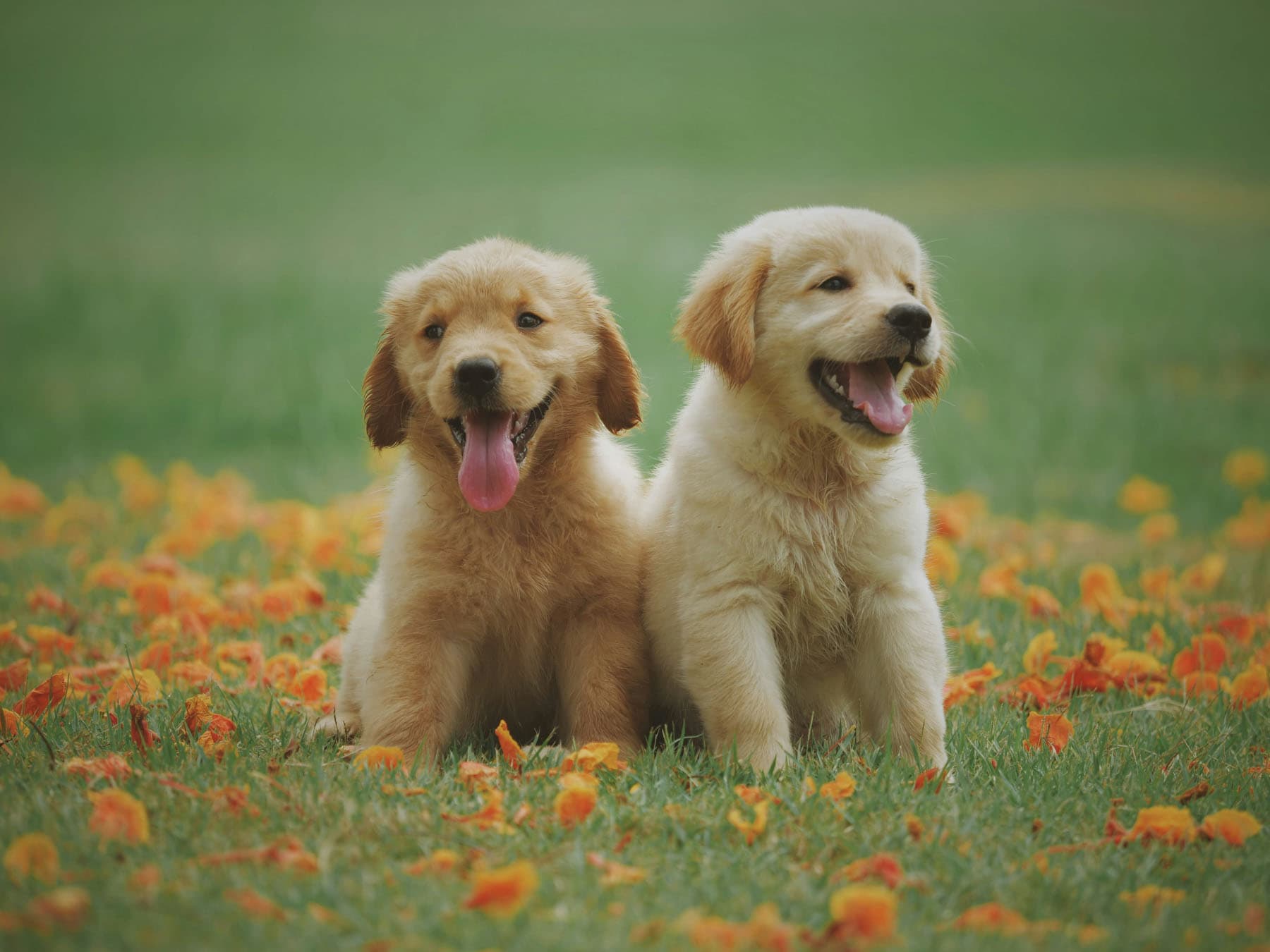
Pet photography looks deceptively simple until you try it. That split second when your dog tilts their head, or your cat's eyes catch perfect light? Gone before you can focus. Pets don't pose on command, sit still, or understand what you're trying to do. They move unpredictably, get bored quickly, and care nothing about your artistic vision.
What You'll Learn
This guide covers pet photography on film, from camera settings and focus techniques to lighting strategies, eye-level perspective, and working with animal behavior. You'll learn to capture sharp images that showcase your pet's personality using film cameras and natural light.
Who This Guide Is For
Film photographers (beginner to intermediate) who want to photograph their own pets, capture authentic personality, and create sharp images without fighting constant motion blur.
The challenge and reward of pet photography
Pet photography demands patience, fast reflexes, and the ability to read animal behavior. Pets move unpredictably, lose interest quickly, and can't be directed like human subjects. Film's fixed ISO and lack of instant feedback makes every frame count.
When you nail the shot, you capture genuine personality. A dog's alert expression, a cat's mysterious gaze, the texture of fur in perfect light. These images reveal the bond between you and your pet in ways posed portraits never could.
The difference between a snapshot and a stunning pet photo comes down to anticipation and eye-level perspective. Get down to their world, understand their tells, and be ready when personality shines through.
Essential equipment for pet photography
You don't need expensive gear, but certain tools make a significant difference when working with moving subjects.
Camera body requirements
Manual 35mm SLR with fast shutter speeds (1/1000s capability), reliable meter, and ideally motor drive. Motor drive captures 3-5 frames as your pet moves, increasing chances of nailing focus.
The Canon AE-1 Program or Nikon FM2 handles pet photography well. The Pentax K1000 delivers reliable performance for less. The Nikon F3 with motor drive offers speeds to 1/2000s.
Lenses that work
Fast glass is essential. A 50mm f/1.8 or 50mm f/1.4 works beautifully for most situations. An 85mm f/2 provides flattering perspective with gorgeous background blur.
Wide apertures (f/2.8 or faster) let you shoot in varied light while isolating your pet. Budget option: The 50mm f/1.8 is affordable and sharp wide open.
Film stocks & accessories
Portra 400 delivers excellent fur tones with fine grain and latitude for errors. Kodak Gold 200 works for outdoor shooting. For black and white, HP5 Plus 400 captures texture beautifully.
Essential accessories: treats and toys for attention, squeaky sounds for alert expressions.
Camera settings for pet photography
Start with these settings as your foundation, then adapt based on your pet's activity level.
Exposure & metering
Meter for your pet's fur, especially with dark-coated animals. Portra 400 at ISO 400 handles mixed lighting well. Expose for the fur and let film latitude handle highlights.
Settings for sitting pets:
- Film: Portra 400 (ISO 400)
- Aperture: f/2.8 (isolates subject, gathers light)
- Shutter speed: 1/400s (freezes slight movement)
- Metering: Center-weighted on pet's face
Settings for active pets:
- Film: Portra 400 (ISO 400)
- Aperture: f/2.8-f/4 (ensures sharpness)
- Shutter speed: 1/1000s (freezes running, jumping)
- Metering: Center-weighted on pet's body
Film ISO is fixed. Choose based on expected conditions. Portra 400 handles indoor window light and outdoor shade beautifully.
- •Film: Portra 400 (ISO 400)
- •Aperture: f/2.8 (isolates subject, gathers light)
- •Shutter speed: 1/400s (freezes slight movement)
- •Metering: Center-weighted on pet's face
- •Film: Portra 400 (ISO 400)
- •Aperture: f/2.8-f/4 (ensures sharpness)
- •Shutter speed: 1/1000s (freezes running, jumping)
- •Metering: Center-weighted on pet's body
Focus technique
Focus on the eyes. Always. Manual focus using split-prism on the nearest eye ensures sharp results. For moving pets, pre-focus on a spot where they'll be, then shoot as they arrive.
Focus strategies:
- Sitting pets: Focus on nearest eye, use f/2.8-f/4
- Playing pets: Pre-focus + anticipation, use f/4-f/5.6 for margin
- Running toward you: Zone focus at f/5.6, 10 feet distance
With practice, you'll nail focus 70-80% of the time. Higher apertures (f/4-f/5.6) increase success rate by expanding depth of field. Cost consideration: At $15-20/roll, shoot intentionally. Burst mode helps, but don't spray and pray.
- •Sitting pets: Focus on nearest eye, use f/2.8-f/4
- •Playing pets: Pre-focus + anticipation, use f/4-f/5.6 for margin
- •Running toward you: Zone focus at f/5.6, 10 feet distance
Composition techniques for pet photography
Technical settings get you sharp images. Composition makes them compelling.
Framing & perspective
Get down to eye level or below. Shooting from above makes pets look small and submissive. Eye-level creates connection. Shooting from below makes them look majestic and shows their world.
Leave space where they're looking, not where they came from. This creates visual flow. For portrait orientation, ensure you don't crop limbs at joints. Include full legs or crop decisively through muscle.
Depth & timing essentials
Use f/1.8-f/2.8 to blur backgrounds dramatically. This separation makes your pet pop against creamy bokeh. Position them away from backgrounds (10+ feet) to maximize blur effect.
Composition rules:
- Shoot eye-level or lower (get on your belly)
- Focus on nearest eye (always sharp)
- Leave space to "look into" (right side if facing right)
- Don't crop at joints (include full limbs or crop through muscle)
Watch for personality moments. Alert expressions, head tilts, relaxed poses. These reveal character better than forced positions.
- •Shoot eye-level or lower (get on your belly)
- •Focus on nearest eye (always sharp)
- •Leave space to "look into" (right side if facing right)
- •Don't crop at joints (include full limbs or crop through muscle)
Lighting techniques for pet photography
Light makes or breaks pet photos. Natural light flatters fur texture and prevents startling your pet.
Natural light strategies
Golden hour provides warm, directional natural light with beautiful golden highlights and sunrise colors on fur. Open shade offers soft light perfect for portraits with soft pastels and matte colors that flatter pet tones. Backlight creates rim light around fur edges, adding separation and drama.
Light positioning:
- Bright sun: Backlight pet, expose for shadowed side
- Overcast: Even light reveals texture, prevents squinting
- Window light: Position pet 3-5 feet from window for soft side light that models form
- Golden hour: Side or backlight for warm glow and pastel aesthetic
Avoid harsh midday sun. It creates hot spots and makes pets squint. Find open shade under trees.
- •Bright sun: Backlight pet, expose for shadowed side
- •Overcast: Even light reveals texture, prevents squinting
- •Window light: Position pet 3-5 feet from window for soft side light that models form
- •Golden hour: Side or backlight for warm glow and pastel aesthetic
Black dogs and dark fur
Dark fur soaks up light, hiding detail. Position light source behind you to create texture. Use shadows slider in post. Get them dirty (mud, dust) for texture. Seriously, it works.
For black pets, overexpose by 1/2 to 1 stop to reveal fur texture. Portra 400 renders dark fur beautifully.
Flash considerations
No flash. It startles pets, causes red-eye, and creates harsh shadows. Fast film and wide apertures handle low light naturally.
Working with pets in pet photography
Pets perform best when comfortable and engaged. Let them explore the space for 10-15 minutes before shooting. Familiar environments reduce stress and produce natural expressions.
Attention strategies:
- Treats: Reward cooperation, direct gaze toward camera
- Toys: Create playfulness, reveal personality
- Sounds: Whistle, squeak, unusual noises for alert head tilts
- Patience: Wait for natural moments rather than forcing poses
Use one attention-getter at a time. Multiple people making sounds confuses and stresses pets. Timing: Shoot after feeding and rest for cooperation. Tired pets hold positions longer. Energetic pets create dynamic action shots but require faster reflexes.
- •Treats: Reward cooperation, direct gaze toward camera
- •Toys: Create playfulness, reveal personality
- •Sounds: Whistle, squeak, unusual noises for alert head tilts
- •Patience: Wait for natural moments rather than forcing poses
Pet photography workflow & shooting tips
A systematic approach increases success and reduces stress for both you and your pet.
Preparation & planning
Check light quality before loading film. Scout your location for backgrounds, light direction, and distractions. Have treats, toys, and noisemakers ready before starting.
Gear checklist:
- Load film appropriate for light (Portra 400 for most situations)
- Test meter on pet's fur tone
- Have 2-3 rolls ready (36 exposures = 15-20 good shots)
- Treats in pocket for quick access
- •Load film appropriate for light (Portra 400 for most situations)
- •Test meter on pet's fur tone
- •Have 2-3 rolls ready (36 exposures = 15-20 good shots)
- •Treats in pocket for quick access
During the shoot
Start with play to burn initial energy. Let your pet settle into the space. Begin shooting when they're alert but calm. Work through different angles and expressions.
Shot progression:
- Eye-level portraits: Face, eyes, personality
- Full-body environmental: Context, favorite spots
- Action shots: Playing, running (if energy allows)
- Detail shots: Paws, nose, fur texture
Check focus occasionally by noting resistance in focusing ring. Adjust as needed. Sessions typically last 20-30 minutes before pets lose interest.
- •Eye-level portraits: Face, eyes, personality
- •Full-body environmental: Context, favorite spots
- •Action shots: Playing, running (if energy allows)
- •Detail shots: Paws, nose, fur texture
Post-processing pet photography
Pet photos benefit from subtle enhancement that brings out texture and detail.
Essential workflow:
- Lift shadows 1/3 to 2/3 stop to reveal fur detail
- Increase clarity +10-15% to enhance texture
- Brighten eyes slightly to add life
- Crop to refine composition, ensure no joint cropping
Fur texture enhancement: Increase clarity and sharpness slightly. Film grain naturally adds texture to fur. For black pets, lift shadows significantly to reveal coat detail without losing richness.
Avoid over-saturation. Pet portraits work best with natural color. Remove distractions (leashes, toys, backgrounds) that don't serve the image. Keep edits subtle to preserve film's organic quality.
Common pet photography mistakes to avoid
Even experienced photographers make these mistakes. Here's how to avoid them.
Mistake 1: Shooting from standing height
Shooting down makes pets look small. Get on your belly. Shoot eye-level or below to create connection.
Mistake 2: Not focusing on eyes
Blurry eyes ruin portraits. Use single-point focus on the nearest eye. If struggling at f/1.8, stop down to f/2.8.
Mistake 3: Using flash
Flash scares pets, causes red-eye, creates harsh shadows. Use fast film and wide apertures instead. Natural light keeps pets calm.
Mistake 4: Impatience
Forcing shots before pets settle produces stiff images. Give them 10-15 minutes to relax. Patience reveals genuine personality.
Mistake 5: Slow shutter speeds
1/125s or slower creates motion blur. Use 1/400s minimum for sitting pets, 1/1000s for activity. Fast shutters are essential.
Pro pet photography tips & techniques
Once you've mastered the basics, these advanced techniques elevate your pet photography.
Pre-focus and anticipate: For predictable movements, pre-focus on where they'll be. This eliminates focus hunting and increases sharpness. Watch for tells (crouch before jump, lean before run).
Surprise for alert expressions: Let your pet play quietly while you set up. Give a quick whistle or squeak when ready. You'll have 2-3 seconds of perfect alert attention before they investigate.
Macro for intimate details: Fill the frame with eyes, nose, or paws. Close-ups reveal texture and create intimate portraits that showcase unique features.
Shoot in landscape orientation: Dogs and cats are horizontal creatures. Landscape format feels more natural and gives breathing room. Reserve portrait for specific vertical compositions.
Gear recommendations summary
Prices as of December 2024. Always check current used market pricing. These are starting points, not requirements.
| Category | Budget Option | Mid-Range | Professional |
|---|---|---|---|
| Camera Body | Pentax K1000 ($150-250) | Canon AE-1 Program ($200-350) | Nikon F3 w/ motor ($400-600) |
| Primary Lens | 50mm f/1.8 ($100-150) | 50mm f/1.4 ($200-300) | 85mm f/2 ($300-450) |
| Film Stock | Kodak Gold 200 ($8-10/roll) | Portra 400 ($13-16/roll) | Portra 400 ($13-16/roll) |
| Accessories | Treats & toys ($10-20) | Squeaky ball ($5-15) | Portable pet mat ($20-40) |
FAQs
What are the best camera settings for pet photography?
For pet photography on film, start with manual mode, f/2.8 for light gathering and subject isolation, 1/400s shutter for sitting pets (1/1000s for action), and ISO 400 film (Portra 400 or HP5 Plus). Use center-weighted metering on your pet's face and focus on the nearest eye. For black pets, overexpose by 1/2 stop to reveal fur texture.
What camera is best for pet photography?
The best camera for pet photography has fast shutter speeds (1/1000s), reliable metering, and ideally motor drive. The Canon AE-1 Program excels with dependable metering and speeds to 1/1000s, while the Nikon FM2 offers mechanical reliability and fast operation. For beginners, the Pentax K1000 delivers solid results. Honestly, lens speed (f/2.8 or wider) matters more than camera body.
How do I get sharp pet photos?
Sharp pet photos require fast shutter speeds, eye focus, and proper technique. Use 1/400s minimum for sitting pets, 1/1000s for any movement. Focus on the nearest eye using split-prism. Stop down to f/2.8-f/4 for enough depth of field. Shoot eye-level or below to stabilize your position. With practice, your hit rate increases dramatically.
What lens should I use for pet photography?
For pet photography, 50mm and 85mm focal lengths work best. A 50mm f/1.8 offers versatility and affordability, perfect for most situations. An 85mm f/2 provides flattering perspective and gorgeous background blur. Wide apertures (f/2.8 or wider) are essential for isolating pets and gathering light. Budget option: 50mm f/1.8 delivers 90% of the quality at half the price.
How do I photograph black pets?
Black pets require extra light and exposure compensation. Position light behind you to create texture in dark fur, shoot near windows or in golden hour, and overexpose by 1/2 to 1 stop to reveal coat detail. Use shadows slider in post-processing to lift detail without losing richness. Getting them dirty adds tonal variation and texture.
What are common pet photography mistakes?
Common mistakes include shooting from standing height instead of eye-level (creates disconnect), not focusing on eyes (ruins portraits), using flash (scares pets), being impatient (produces stiff poses), and using slow shutter speeds (creates blur). Get on your belly, focus on eyes, use natural light, wait for natural moments, and shoot 1/400s minimum.
How do I get my pet to look at the camera?
Use treats held near the lens, squeaky toys, or unusual sounds (whistles, squeaks) to grab attention. Make one quick sound, then shoot during their alert 2-3 second window. Don't overuse attention-getters or pets become desensitized. Have one person handle sounds while you shoot. Reward cooperation with treats.
What film stock is best for pet photography?
For pet photography, Portra 400 offers excellent fur tone rendering and fine grain at high speed. It handles mixed lighting well and offers 2-3 stops of overexposure latitude for quick shooting. Kodak Gold 200 works for bright outdoor conditions. For black and white, HP5 Plus 400 captures fur texture beautifully with rich tonality.
Should I shoot pets indoors or outdoors?
Both work, depending on your pet's comfort. Outdoors in golden hour or open shade provides beautiful natural light and interesting backgrounds. Indoors near windows offers controlled conditions and familiar environment. Pets often relax better at home. Choose based on your pet's personality and the light quality available.
Conclusion: Your pet photography journey
Pet photography demands patience, quick reflexes, and the ability to read animal behavior. Start with mastering eye-level perspective and focus on eyes. Practice anticipating movement before burning film.
Remember: every professional missed focus, shot from too high, and wasted rolls on blurry images when starting. The difference is persistence and learning from each roll.
Next steps:
- Practice with one roll in good light (golden hour, open shade)
- Master eye-level shooting (get on your belly, really)
- Study your pet's behavior patterns (tells, favorite spots, energy cycles)
Your unique bond with your pet matters more than technical perfection. Now get out there and capture some personality.
- •Practice with one roll in good light (golden hour, open shade)
- •Master eye-level shooting (get on your belly, really)
- •Study your pet's behavior patterns (tells, favorite spots, energy cycles)
Author notes (E-E-A-T)
Written by: Daydream Content Team. Experienced film photographers with backgrounds in animal and portrait photography
Experience: Collective 12+ years shooting pets on film. Hundreds of sessions photographing dogs, cats, and other animals for personal and professional projects
Gear used: Canon AE-1, Nikon FM2, Pentax K1000, various fast primes (50mm f/1.4, 50mm f/1.8, 85mm f/2). Portra 400 and HP5 Plus as primary film stocks
Teaching background: Workshops on film photography for portraits and animals. Mentoring emerging photographers in natural light techniques
Conflicts of interest: Daydream is our film emulation app. We're transparent that we develop tools for film photographers while shooting film ourselves
Related Topics
Join the iOS Beta
Join the beta to experience authentic film photography with Daydream Film when we launch.