
Photography Guides
Flat Lay Photography Guide: Camera Settings, Composition & Styling Tips
Daydream Editorial
· 9 min read
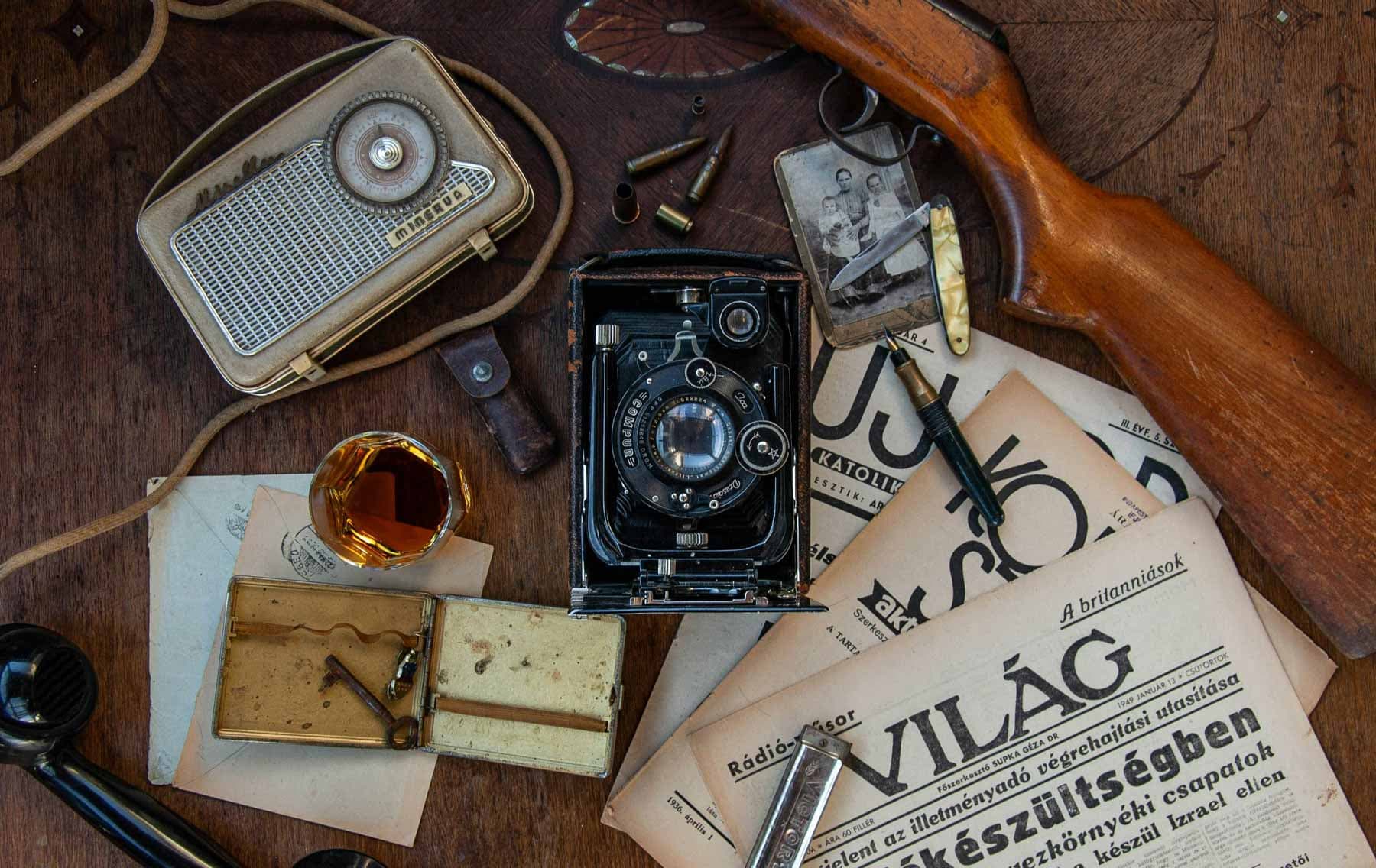
Flat lay photography looks simple until you try it. Stand on a chair holding your camera at an awkward angle and watch everything become distorted and crooked. Flat lay photography demands precision that seems easy but isn't. Perfectly level overhead positioning, thoughtful composition, and controlled lighting matter more than expensive gear.
What You'll Learn
This guide covers everything for flat lay photography on film: essential gear and overhead setup, camera settings for depth and sharpness, composition techniques for visual storytelling, lighting strategies for dimension, and styling workflow. Whether shooting product images for e-commerce or creative lifestyle flat lays for social media, you'll find practical techniques to capture compelling overhead shots.
Who This Guide Is For
Photographers (beginners to intermediate) who want to master overhead composition, create visually balanced arrangements, and achieve professional flat lay results without relying on digital workarounds or extensive post-processing.
The challenge and reward of flat lay photography
Flat lay photography demands technical precision and creative vision. You're shooting straight down at a perfectly flat surface, which removes natural depth. Balance, symmetry, and negative space must work together to guide the viewer's eye through a two-dimensional frame.
When you nail it, you create images that tell stories through arrangement. A coffee cup, open notebook, and scattered pens convey morning creativity. Ingredients laid out with intention suggest a recipe about to come alive. The difference between a snapshot and a strong flat lay comes down to deliberate styling paired with technical execution.
Every element earns its place in the frame. Nothing is accidental.
Essential equipment for flat lay photography
You don't need expensive gear, but certain tools make flat lay photography significantly easier.
Camera body requirements
Manual SLRs with depth-of-field preview work best for flat lays. The Canon AE-1 Program or Nikon FM2 handles overhead shooting well with reliable metering. The Pentax K1000 offers a budget-friendly option. For medium format, a Mamiya RB67 delivers exceptional detail with a waist-level finder perfect for composition.
Lenses that work
Focal length matters. Wide lenses (24mm, 28mm) introduce distortion. Telephoto lenses (85mm+) require excessive height. Stick to 35mm-50mm for natural perspective without warping. A 35mm f/2.8 or 50mm f/1.8 renders objects accurately.
Film stocks & accessories
Ektar 100 delivers saturated colors with rich colors and fine grain perfect for products. Portra 160 offers natural tones with soft pastels and matte colors perfect for lifestyle flat lays. Portra 400 handles mixed lighting with a pastel aesthetic. Kodak Gold provides warm vintage tones with a retro color palette. HP5 Plus 400 provides tonal range for black-and-white work.
Essential gear: tripod with horizontal arm, bubble level, cable release, white foam boards for light reflection.
Camera settings for flat lay photography
Start with these settings, then adapt based on lighting and your setup.
Exposure & metering
Meter for midtones using center-weighted or spot metering. Ektar 100 at ISO 100 ensures fine grain and vibrant color. Portra 160 offers half a stop more forgiveness.
Settings recipe (window light):
- Film: Ektar 100 (ISO 100)
- Aperture: f/11 (keeps frame sharp)
- Shutter speed: 1/15s to 1/4s (tripod eliminates shake)
- Metering: Center-weighted on hero object
Film's latitude handles slight exposure variations. Note: Film ISO is fixed, so choose stock based on available light before shooting.
- •Film: Ektar 100 (ISO 100)
- •Aperture: f/11 (keeps frame sharp)
- •Shutter speed: 1/15s to 1/4s (tripod eliminates shake)
- •Metering: Center-weighted on hero object
Focus & depth
Use split-prism or microprism focusing for manual precision. Focus on your hero object, then stop down to f/11 to verify depth of field using the preview button.
At f/11, depth extends several inches, covering most arrangements. For items varying in height, shoot at f/16 and accept slower shutter speeds.
Composition techniques for flat lay photography
Technical settings get sharp images. Composition makes them compelling.
Framing & perspective
Camera position must be perfectly parallel to your surface. Even a two-degree tilt creates distortion. Use a bubble level to verify alignment. Shoot from 4-5 feet above for a 24x18-inch setup, filling the frame with your arrangement. Let some props extend to edges or exit the frame for visual interest.
Balance & symmetry
Symmetrical arrangements feel calm: hero object center, props mirrored left-right. Asymmetrical balance creates energy: large object on one side balances multiple smaller items opposite. Use rule of thirds for dynamic compositions, positioning the main subject at gridline intersections.
Negative space & layering
Negative space lets composition breathe. Don't cram every inch. Layering adds depth: napkin under plate, fabric beneath products. These subtle height variations create shadows and dimension. Overlap elements (pen crossing notebook, ribbon winding between objects) to guide the eye through the frame.
Lighting techniques for flat lay photography
Light makes or breaks flat lays. Even illumination prevents distracting shadows while subtle directionality adds dimension.
Natural light strategies
North-facing windows provide consistent, soft light without harsh changes. East windows offer gentle morning light. South and west windows require diffusion. Set up perpendicular to the window so side light comes from 90 degrees, creating subtle dimension while maintaining even illumination. Position 3-5 feet away for optimal softness.
On bright days, tape sheer fabric to the window to diffuse natural light. Use white foam boards opposite the window as reflectors to fill shadows. Overcast days provide naturally diffused soft light, perfect for flat lays. For brand photography work, this controlled lighting ensures accurate color representation.
Managing shadows & reflections
Create a "closed set" by surrounding your flat lay with white boards on three sides, bouncing light onto the scene. For taller items, position shadows intentionally within the frame to add dimension, not cover important elements.
Reflections plague shiny objects. Change your angle slightly, reposition the light, or use a polarizing filter. Check for reflections of yourself, camera, or tripod before shooting.
Challenging scenarios
Turn off artificial lights for color-critical work. Mixed lighting creates color casts film can't correct. At f/11 with ISO 100 in dim light, you might need 1/2s to 1s exposures (tripod handles this). Add LED panels (5500K) at 45-degree angles if natural light is insufficient.
Flat lay photography workflow & shooting tips
Systematic approach increases success. Most work happens before you trigger the shutter.
Preparation & planning
Define your theme first: morning routine, travel essentials, baking session. Your theme dictates color palette and props. Create a shot list and gather everything before arranging. Test your setup: mount camera overhead, verify level, meter different areas for even illumination.
During the shoot
Build from hero object outward. Add props one at a time, assessing balance after each. Bracket exposures (one stop over and under). Check before each frame: camera level, no reflections, props aligned, nothing exits awkwardly. Sessions last 30-60 minutes. Work methodically.
Adapting to challenges
If unbalanced, remove one prop at a time. Limit to three colors maximum. Neutral backgrounds (white, gray, wood) let colorful props shine. For glare, rotate objects slightly or reposition light.
Post-processing flat lay photography
Flat lays benefit from minimal post-processing. Film does most work if you exposed properly.
Request high-resolution scans (3000+ pixels) with minimal automatic corrections. Flat lays occasionally need minor rotation (0.5-2 degrees) if setup wasn't perfectly level. Crop to improve composition or adjust aspect ratio. Correct color shifts: Ektar tends warm, Portra leans magenta.
For series work, apply consistent adjustments for visual cohesion. Avoid heavy-handed editing. Small tweaks to shadows and midtones maintain film character. For e-commerce, ensure accurate color representation.
Common mistakes & how to avoid them
Mistake 2: Cluttered composition
Too many props create visual chaos. Solution: Identify your hero object and build around it. Remove props that don't serve the story. Aim for 5-7 elements maximum.
Mistake 3: Insufficient depth of field
Shooting wide open (f/2.8, f/4) leaves elements soft. Solution: Shoot at f/11 minimum, f/16 for varied heights. Accept slower shutter speeds with cable release.
Mistake 4: Ignoring color harmony
Random colors feel disjointed. Solution: Limit to three colors plus neutrals. Warm palettes feel energetic, cool palettes feel calm.
Mistake 5: Poor lighting
Strong light without fill creates dark shadows. Solution: Use soft window light. Position white boards opposite light source to fill shadows.
Pro flat lay photography tips & techniques
Once you've mastered basics, these advanced techniques elevate your flat lay photography.
Intentional asymmetry: Place your main subject off-center at a rule-of-thirds intersection, then balance it with grouped smaller elements on the opposite side. This creates tension and visual interest while maintaining equilibrium.
Layered textures: Combine smooth and rough, soft and hard, matte and glossy surfaces within one frame. A linen napkin under a ceramic plate on a wooden surface adds three distinct textures that photograph beautifully and add tactile depth.
Controlled chaos: Instead of rigid geometric arrangements, create organized randomness. Scatter coffee beans near a cup, drape ribbon naturally, let papers overlap at casual angles. This approach feels spontaneous while remaining composed and deliberate.
Color blocking: Use two contrasting backgrounds meeting at a diagonal or straight line through the frame. Place objects spanning both backgrounds to tie the composition together. This technique adds visual punch to otherwise simple arrangements.
Gear recommendations summary
* Prices as of January 2025 – always check current market. These are starting points, not requirements.
| Category | Budget Option | Mid-Range | Professional |
|---|---|---|---|
| Camera Body | Pentax K1000 ($150-250 used) | Canon AE-1 Program ($200-350 used) | Mamiya RB67 ($600-900 used) |
| Primary Lens | 50mm f/1.8 ($75-150 used) | 35mm f/2.8 ($150-250 used) | 50mm f/2.5 macro ($300-500 used) |
| Tripod | Basic tripod + DIY boom arm ($75-120) | Manfrotto 055 + horizontal arm ($200-350) | C-stand with sandbags ($250-400) |
| Key Accessory | Bubble level + white foam boards ($15-25) | Cable release + light meter ($50-80) | Tethering kit + monitor setup ($200-400) |
FAQs (intent catchers)
What are the best camera settings for flat lay photography?
For flat lay photography, use aperture priority or manual mode with f/11 to f/16 for maximum depth of field, keeping everything sharp. Set shutter speed to 1/15s or slower (tripod eliminates shake), and use ISO 100 film for finest grain and cleanest results. Meter for midtones using center-weighted or spot metering. Cable release prevents camera shake during exposure.
What camera is best for flat lay photography?
The best camera for flat lay photography has manual controls, depth-of-field preview, and mirror lock-up for vibration reduction. A Canon AE-1 Program or Nikon FM2 excels at flat lays with reliable metering, solid build quality, and compatibility with affordable lenses. For beginners, the Pentax K1000 delivers dependable performance at lower cost. Medium format cameras like Mamiya RB67 offer waist-level finders perfect for overhead composition and exceptional image quality.
How do I keep my camera perfectly level for flat lay shots?
Attach a bubble level to your camera's hot shoe before positioning it overhead. Use a tripod with a horizontal center column or boom arm to position the camera directly above your flat lay surface at 90 degrees. Double-check level alignment after any adjustment. Even 2-3 degrees of tilt creates noticeable perspective distortion where objects appear to lean. Turn on your camera's grid display if available to verify alignment.
What focal length should I use for flat lay photography?
For flat lay photography, 35mm to 50mm focal lengths work best, rendering objects accurately without distortion. A 35mm lens suits larger arrangements or when shooting from lower height, while 50mm provides natural perspective matching human vision. Avoid wide-angle lenses (24mm, 28mm) that introduce barrel distortion at frame edges, and telephoto lenses (85mm+) that require impractical camera height for overhead shooting.
How do I get everything in focus in my flat lay photos?
Achieve complete sharpness by shooting at f/11 or higher (f/16 for items with varying heights). Use aperture priority or manual mode to control depth of field. Focus on your hero object using manual focus and split-prism screen, then verify depth of field with preview button. At f/11, depth extends 4-6 inches, covering most flat lay arrangements. For significantly varied heights, shoot at f/16 and accept slower shutter speeds (your tripod handles this fine).
What are common flat lay photography mistakes?
The most common flat lay mistakes are: camera not perfectly level (creates perspective distortion), cluttered composition with no clear focal point (shoot 5-7 elements maximum), insufficient depth of field (shoot f/11 minimum), poor color harmony (limit to 3 colors plus neutrals), and harsh lighting without fill (use white boards to bounce light and soften shadows). Camera position and composition planning matter more than expensive gear.
What lighting works best for flat lay photography?
Natural window light provides the best results for flat lays. North-facing windows offer consistent, soft light throughout the day. Set up your flat lay perpendicular to the window (light from the side) 3-5 feet away. On bright days, diffuse direct sunlight with sheer fabric taped to the window. Use white foam boards opposite the window as reflectors to fill shadows and create even illumination. Avoid overhead lighting that flattens dimension.
How do I choose backgrounds for flat lay photography?
Choose flat lay backgrounds that complement your subject without competing for attention. White foam board creates clean, professional product shots. Natural wood adds warmth and texture for food or lifestyle flat lays. Neutral fabrics (linen, cotton) provide soft, non-distracting surfaces. Match background tone to your story: bright and clean for products, rustic and textured for organic subjects, dark and moody for dramatic styling. Test backgrounds by placing your hero object on each option before committing to full setup.
Conclusion: Your flat lay photography journey
Flat lay photography demands precision, thoughtful composition, and controlled lighting. Start with mastering overhead camera positioning using a level and tripod. Practice styling arrangements with intentional balance and limited color palettes.
Remember: every professional's first flat lay looked wonky and unbalanced. The difference is practice and attention to small details.
Next steps:
- Set up your overhead camera rig and verify perfect level alignment using a bubble level
- Create three flat lay arrangements using the same hero object with different styling approaches
- Study light quality at different times of day near your best window for consistent results
Your unique perspective on flat lay photography matters through deliberate styling and technical precision. Now get out there and arrange some compelling overhead shots.
- •Set up your overhead camera rig and verify perfect level alignment using a bubble level
- •Create three flat lay arrangements using the same hero object with different styling approaches
- •Study light quality at different times of day near your best window for consistent results
Author notes (E-E-A-T)
Written by: Daydream Content Team. Experienced film photographers with backgrounds in product and commercial photography
Experience: Collective 12+ years shooting flat lay, product, and still life photography on film. Hundreds of commercial shoots for e-commerce brands, restaurants, and lifestyle publications
Gear used: Canon AE-1, Nikon FM2, Mamiya RB67, various macro and standard lenses (35mm f/2.8, 50mm f/1.8, 50mm f/2.5 macro). Ektar 100, Portra 160, and HP5 Plus as primary film stocks
Teaching background: Workshops on product photography and commercial shooting techniques for film photographers. Mentoring emerging photographers in flat lay composition and styling
Conflicts of interest: Daydream is our film emulation app. We're transparent that we develop tools for film photographers while shooting film ourselves
Related Topics
Join the iOS Beta
Join the beta to experience authentic film photography with Daydream Film when we launch.